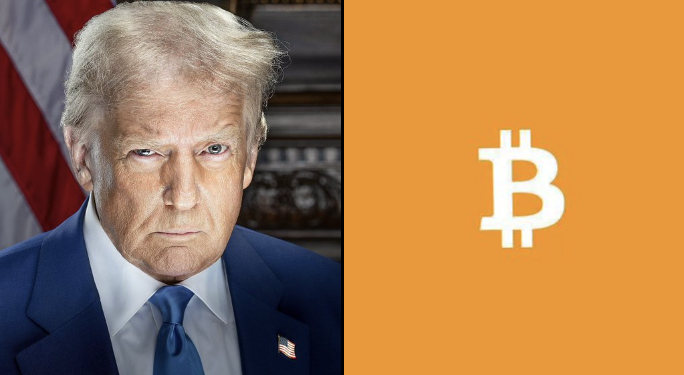
President Donald Trump shared a video on his Truth Social platform, featuring Peter Van Valkenburgh’s explanation of Bitcoin, labeling it the “Greatest Bitcoin explanation of all time.”
This video, originally a testimony from Coin Center’s Director of Research, outlines Bitcoin as a revolutionary digital payment system that operates without a middleman, emphasizing its public and decentralized nature. This move is significant given Trump’s previous skepticism towards cryptocurrencies during his first term, where he had called Bitcoin a “scam,” but now reflects a shift towards embracing digital assets, possibly influenced by his own investments and the industry’s growing influence.
The timing of Trump’s post coincides with recent policy developments in the U.S., such as the passage of the GENIUS Act, which establishes a regulatory framework for stablecoins, indicating a broader pro-cryptocurrency shift in policy. This legislative progress, combined with Trump’s announcement of a national strategic crypto reserve, suggests a strategic alignment with the crypto industry, which has seen unprecedented market surges, with Bitcoin reaching an all-time high of $109,000 following Trump’s election win.
The administration’s actions, including the creation of crypto stockpiles and the promotion of digital assets, signal a potential legitimization of cryptocurrencies within U.S. financial policy.
The video’s content, explaining Bitcoin’s function as a decentralized payment system accessible globally with just a computer and internet connection, underscores its revolutionary aspect by eliminating the need for trust in intermediaries. This aligns with broader trends where countries like Bhutan and the Central African Republic have adopted Bitcoin as legal tender or strategic reserves, and the U.S. itself holds significant amounts of Bitcoin seized through law enforcement.
Trump’s endorsement, therefore, not only amplifies Bitcoin’s visibility but also positions the U.S. as a leader in the global crypto landscape, potentially influencing international perceptions and policies towards digital currencies.